Property Support
HSCAP CORP Oil & Gas Services uses a large range of internationally handled services for the Operation and Maintenance (O&M) of Oil and Gas production centers, both onshore and offshore. We can establish and customize services to fit varied operating environments.
 Engineering & Project Services
We have comprehensive experience offering engineering services and providing options for oil and gas and energy centers, both onshore and offshore.
 Proficiency Development
Today’s oil, gas and energy jobs need that operators put together a special mix of abilities in a trained, well-managed labor force. Assembling such a labor force is a huge endeavor, one where HSCAP CORP Oil & Gas Services has comprehensive experience.
 Well Services & Geosciences
HSCAP CORP Oil & Gas Services promotes, offers and provides a total variety of drilling, conclusion, wellhead and down hole services and products.
Beyond the Leak: Understanding Fugitive Emissions in Canada’s Energy Sector

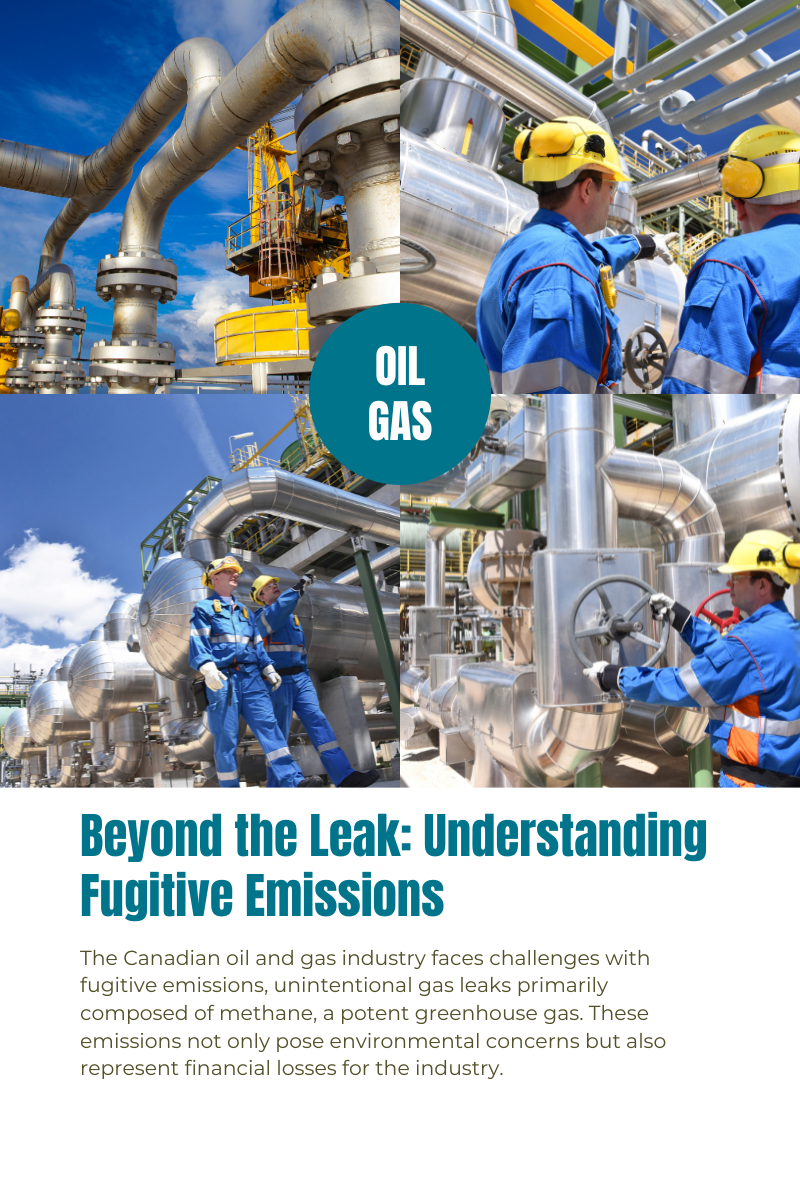
Why Should We Care?
Apart from the environmental concerns, there’s a financial aspect to consider. Gas that’s leaking is gas that isn’t being sold. It’s like having a hole in your pocket and wondering why you’re always short on change. Plus, there’s the regulatory side of things. Canada’s Multi-sector Air Pollutant Regulations (MSAPR) have set specific standards for industries, including oil and gas, to ensure that emissions are kept in check. A detailed report from CBC News further highlights the significance of these regulations and their impact on the industry.
The Challenges and Solutions
Detecting these emissions can be a bit like finding a needle in a haystack. Traditional methods, like the “sniff” tests, are time-consuming and not always accurate. But, thanks to companies like Intricate Group, there are advanced leak detection services available. Using state-of-the-art technology, these services can pinpoint even the tiniest of leaks, ensuring that they’re fixed before they become a bigger problem. The importance of accurate detection is further emphasized in this research by Natural Resources Canada.
Offsetting the Impact
While reducing emissions is crucial, it’s also essential to look at ways to offset the impact of those that do occur. Enter the Carbon Credit offset program. By investing in projects that reduce or remove greenhouse gas emissions elsewhere, companies can offset their own emissions. It’s a bit like balancing the scales. For a deeper dive into how this works, the Intricate Group’s page on Carbon Offset Project Development is a goldmine of information. The Government of Canada’s stance on carbon pollution pricing further underscores the importance of such initiatives.
Alberta’s Oil & Gas Industry: Pioneering Sustainability Amidst Multifaceted Challenges
Alberta, a province in Canada, is home to one of the most prominent oil and gas industries in the world. For decades, this industry has been the driving force behind economic growth in the region, providing employment opportunities and contributing significantly to the national GDP. However, as we delve deeper into the intricacies of this industrial titan, we discover a complex tapestry of challenges and initiatives that are shaping its future.
Shifting Paradigm: Sustainability Takes Center Stage
In recent years, the global narrative surrounding the oil and gas industry has shifted dramatically towards sustainability. With heightened concerns about climate change and environmental impact, the industry has been pressed to embrace greener practices and reduce carbon emissions. Alberta’s oil and gas industry has recognized the need for change and has made considerable efforts to transition towards sustainable practices and technologies.
Technological Innovation Fuels Progress
Technological advancements have played a pivotal role in propelling the oil and gas industry towards a sustainable future. Alberta, with its vast resources and pioneering spirit, has been at the forefront of adopting innovative technologies. From carbon capture and storage (CCS) to enhanced oil recovery (EOR) techniques, the province has blurred the boundaries between sustainability and productivity.
One such example is the adoption of horizontal drilling and hydraulic fracturing, commonly known as fracking. This game-changing technology has revolutionized the industry by allowing access to previously untapped oil and gas reserves. This not only contributes to energy security but also reduces the industry’s ecological footprint by maximizing the potential of existing wells.
Balancing Economic Growth and Environmental Responsibility
While the industry acknowledges the need for sustainable practices, it also faces the challenge of balancing economic growth with environmental responsibility. Alberta’s oil and gas sector has been an economic powerhouse, attracting investments and providing employment to thousands of individuals. However, this growth has come at a cost, with concerns surrounding the industry’s impact on water usage and greenhouse gas emissions.
To address these concerns, the government and industry stakeholders have joined forces to develop rigorous regulations and monitoring systems. Transparency has become paramount, with companies required to disclose their environmental performance and demonstrate their commitment to sustainable practices. Through these measures, Alberta seeks to strike a delicate balance between economic prosperity and environmental preservation.
Collaborative Stakeholder Engagement
Addressing the multifaceted challenges of the oil and gas industry requires collaboration among various stakeholders, including government bodies, industry players, and local communities. Recognizing the importance of inclusive decision-making, the industry has actively engaged with these stakeholders, seeking their input and involvement.
By involving local communities in the decision-making process, the industry aims to address concerns, promote social acceptance, and foster long-term partnerships. Efforts are also underway to support indigenous communities and ensure their participation in the industry’s development. This collaborative approach not only strengthens public trust but also enables the industry to navigate complex regulatory landscapes more effectively.
Charting a Sustainable Future
As Alberta’s oil and gas industry continues to evolve, it must confront an ever-changing landscape. While the challenges are significant, the industry’s commitment to innovation and sustainability is inspiring. By embracing advanced technologies, balancing economic growth and environmental responsibility, and engaging stakeholders in meaningful ways, the industry is actively charting a sustainable future.
As public sentiment evolves and global energy demands continue to rise, this industry will undoubtedly face ongoing scrutiny. However, by embracing transformation and striving towards sustainability, Alberta’s oil and gas industry is poised to overcome challenges and lead the way towards a responsible and prosperous future. Together, we can redefine the narrative surrounding this vital industry and shape a greener tomorrow.
The Oil & Gas Industry in Canada: Unveiling its Mysteries
Canada, often referred to as the “Kingdom of Oil,” boasts an illustrious reputation when it comes to its oil and gas industry. With billions of barrels of oil reserves and the world’s fifth-largest oil producer, it is no wonder that the industry thrives here. However, beneath the surface lies a world full of complexities and perplexities, waiting to be unraveled. So, let us embark on a journey to uncover the mysteries of the oil and gas industry in Canada.
The Reserves, the Enigma
Canada holds a vast amount of oil reserves, estimated at a whopping 170 billion barrels. These reserves are primarily located in the oil sands of Alberta, a region famed for its rich oil deposits. However, extracting oil from the sands is no easy feat. Utilizing unconventional methods such as steam-assisted gravity drainage, companies painstakingly separate the bitumen from the sands. Yet, this process is often shrouded in controversy due to its environmental impact, making the extraction of these reserves an enigmatic saga.
The Quest for Market Access
Despite its staggering oil reserves, Canada faces a perplexing challenge: limited market access. The landlocked nature of the oil sands makes it difficult to transport the extracted oil to international markets. The controversial Keystone XL pipeline, proposed to connect Alberta to refineries on the Gulf Coast, symbolizes this battle for market access. While proponents argue that the pipeline would stimulate the economy and create jobs, opponents express concerns over environmental risks and indigenous rights. As the quest for market access persists, the enigma of how to overcome these hurdles remains in the forefront.
The Impact on the Economy
The oil and gas industry plays a significant role in Canada’s economy, generating substantial revenue and employment opportunities. It contributes billions of dollars in government royalties and taxes, supporting various public services and infrastructure development. Moreover, the industry indirectly supports several other sectors, such as manufacturing and transportation. However, the cyclical nature of the oil market poses a challenge to the sustainability of Canada’s economy. The recent volatility in global oil prices has highlighted the need for diverse economic strategies, making it essential to unveil solutions to this perpetual conundrum.
Environmental Concerns: an Unsolved Riddle
While the oil and gas industry drives economic growth, it is not without some puzzling consequences on the environment. Greenhouse gas emissions, water usage, and habitat disturbance are just a few of the concerns raised by critics. The paradox lies in finding a balance between economic prosperity and environmental preservation. The industry has recognized the need for sustainable practices and has made efforts to minimize its ecological footprint. Continued research and innovation in clean energy alternatives are crucial to solving this pressing enigma.
The Future: A Journey into the Unknown
As Canada forges ahead in pursuing its energy ambitions, the future of the oil and gas industry remains uncertain. Rapid advancements in technology and the increasing global focus on renewable energy sources add layers of complexity to this already perplexing puzzle. Diversifying the energy mix, embracing cleaner technology, and fostering innovation will be vital to navigate the road ahead. The journey into the unknown has begun, and only time will reveal the answers to the mysteries that lie ahead.
In conclusion, Canada’s oil and gas industry is a realm filled with mystique, complexity, and perplexity. From the vast reserves hidden beneath the oil sands to the quest for market access, it presents a myriad of challenges. Balancing economic growth with environmental concerns adds to the enigmatic nature of the industry. However, as Canada seeks to unravel these mysteries and shape its energy future, innovation and sustainable practices will be key. Only by embracing the unknown can the industry evolve towards a brighter, more sustainable tomorrow.
The Intriguing World of Canada’s Oil & Gas Industry
With its vast landscapes painted in breathtaking natural beauty, Canada is a land of many wonders. Among its many treasures lies an industry that has long played a pivotal role in the nation’s economy – the oil and gas industry. This captivating sector is a harmony of innovation, controversy, and economic power. In this blog post, we delve into the world of Canada’s oil and gas industry, examining its trajectory, current challenges, and future prospects.
A Rich Tapestry of History and Innovation
The Canadian oil and gas industry has a complex history, intertwined with technological advancements and regional dynamics. The story begins in 1858 when the first commercial oil well was dug in Ontario, marking the industry’s modest origins. However, the real turning point came in 1947 with the discovery of massive oil reserves in Alberta’s oil sands.
This landmark discovery opened doors to an era of energy prosperity for Canada. With the world’s third-largest proven crude oil reserves and vast natural gas deposits, the industry expanded rapidly, fueling economic growth and job opportunities for countless Canadians.
The Environmental Dilemma
While the industry’s growth has brought undeniable economic benefits, it has also raised concerns about its environmental impact. Oil sands extraction, for instance, is notorious for emitting significant amounts of greenhouse gases and its immense water requirements. Balancing economic prosperity with sustainable practices has become an increasingly urgent challenge for both the industry and the nation as a whole.
The Canadian government has taken steps to address environmental concerns, implementing policies such as carbon pricing and stricter regulations on emissions. These initiatives aim to encourage companies to adopt cleaner technologies and reduce their carbon footprints. However, finding the delicate equilibrium between economic growth and environmental stewardship remains an ongoing struggle.
Economic Powerhouse and Global Player
Despite environmental challenges, Canada’s oil and gas industry continues to play a pivotal role in the nation’s economy. It directly employs hundreds of thousands of Canadians and generates billions of dollars in revenues. Additionally, the industry contributes significantly to government coffers through taxes and royalties, supporting various public services and infrastructure development.
Moreover, Canada’s oil and gas sector has positioned itself as a global player, exporting its resources to countries around the world. The United States is the primary destination for Canadian oil and gas exports, closely followed by Asian markets such as China and Japan. As demand for energy resources rises globally, Canada’s oil and gas industry stands poised to expand its reach and influence.
Navigating Uncertain Waters
As with any industry, the Canadian oil and gas sector faces an array of challenges. Market volatility, geopolitical uncertainties, and shifting global energy dynamics constantly test the industry’s resilience. Fluctuations in oil prices, for instance, can have a significant impact on investment decisions and project viability.
Furthermore, the push for renewable energy sources and the gradual shift away from fossil fuels pose long-term questions about the industry’s sustainability. The rise of electric vehicles and increasing investments in renewable energy infrastructure challenge the traditional dominance of the oil and gas sector. However, it is worth noting that oil and gas will continue to play a crucial role in meeting global energy demands for the foreseeable future.
Embracing the Future
To thrive in the face of uncertainty, Canada’s oil and gas industry must adapt and embrace innovation. Many companies are already exploring advancements such as carbon capture and storage, renewable energy integration, and sustainable practices in extraction techniques. Embracing these changes can enhance their social license to operate while paving the way for a more sustainable energy future.
Government support is also pivotal. By fostering research and development investments, creating favorable regulatory environments, and encouraging collaboration between industry and academia, the Canadian government can propel the industry forward and position itself as a global leader in sustainable energy solutions.
A Journey into Canada’s Energy Landscape
The oil and gas industry in Canada is far from monochrome. It is a captivating tapestry woven with history, innovation, challenges, and aspirations. Navigating the dynamic waters of both the economy and the environment, the industry holds immense potential to chart a path towards a sustainable future. By seizing opportunities, embracing change, and crafting a collective vision, Canada’s oil and gas sector can continue contributing to the nation’s prosperity, while harmonizing with the pressing needs of our planet.
The Oil & Gas Industry in Canada: A Tale of Exploration, Wealth, and Sustainability
The oil and gas industry in Canada has long been a source of fascination and controversy. With vast reserves of natural resources, this thriving sector has played a crucial role in shaping the nation’s economy. From the early days of exploration and discovery to the present era of sustainability and environmental consciousness, this industry has undergone significant transformations. In this article, we will delve into the intricacies of the oil and gas industry in Canada, exploring its historical significance, current challenges, and future prospects.
Canada is renowned for its abundant oil and gas reserves, making it one of the world’s largest producers and exporters of these valuable commodities. The history of this industry dates back to the mid-19th century when the first oil well was drilled in Ontario. Since then, exploration efforts have expanded across the country, uncovering vast reserves in regions such as Alberta, Newfoundland and Labrador, and British Columbia. These discoveries have propelled Canada onto the global stage as a key player in the energy sector.
However, the development of the oil and gas industry has not been without its controversies. Environmental concerns, such as the impact of extraction techniques like hydraulic fracturing (fracking) and the release of greenhouse gases, have sparked heated debates. Critics argue that the industry’s practices are detrimental to ecosystems, contribute to climate change, and pose health risks to nearby communities. This has led to increased calls for stricter regulations, the adoption of sustainable practices, and the transition towards renewable energy sources.
To address these concerns, the Canadian government has implemented various measures to ensure the industry operates sustainably. Stringent regulations and monitoring systems are in place to mitigate environmental risks and protect wildlife habitats. Additionally, initiatives promoting the reduction of greenhouse gas emissions and the development of cleaner technologies have gained traction. These efforts signal a shift towards a more sustainable future for the oil and gas industry in Canada.
Despite the challenges, the oil and gas industry continues to play a significant role in the Canadian economy. The extraction, production, and distribution of these resources generate substantial revenue and create employment opportunities across the country. The industry’s contributions extend beyond monetary gains, as it supports various secondary sectors, such as manufacturing and transportation. Furthermore, royalties and taxes derived from oil and gas activities help fund public services and infrastructure development, benefiting Canadian society as a whole.
Looking ahead, the future of the oil and gas industry in Canada remains uncertain. The global shift towards renewable energy sources, coupled with increasing concerns about climate change, poses significant challenges. To ensure long-term sustainability, industry leaders must embrace innovation, diversify their portfolios, and invest in clean technologies. This transition will not only help reduce environmental impacts but also open new avenues for economic growth and job creation.
In conclusion, the oil and gas industry in Canada is a complex and dynamic sector that has shaped the nation’s economy for over a century. It has provided wealth and opportunities, but has also faced criticism and environmental challenges. As the world moves towards a greener future, the industry must adapt and embrace sustainable practices. By doing so, it can continue to contribute to the Canadian economy while minimizing its ecological footprint. Ultimately, a balance between economic prosperity and environmental stewardship must be struck to secure a prosperous and sustainable future for generations to come.
The Oil & Gas Industry in Canada: A Glimpse into a Wild Terrain
With its vast and varied landscapes, Canada is a land overflowing with natural resources. Among these resources, oil and gas have played a significant role in shaping the country’s economy and energy sector. The oil and gas industry in Canada is a force to be reckoned with, providing jobs, energy, and economic stability. In this blog post, we will explore this industry in detail, unraveling some of its complexities and shedding light on its environmental impact.
Supporting the Economy and Employment
The oil and gas industry in Canada has long been a major contributor to the country’s economy. It has driven economic growth, created jobs, and attracted investment. The sector has been a pivotal player in providing energy resources to meet the growing demand both domestically and globally. According to the Canadian Association of Petroleum Producers (CAPP), this industry supports over 500,000 direct and indirect jobs across Canada. From Alberta’s oil sands to offshore drilling in Newfoundland, the industry has been a source of employment for people from various walks of life.
A Tale of Two Resources
Canada is home to two valuable resources: oil and natural gas. Crude oil production in Canada reached an all-time high of 4.95 million barrels per day in 2018, making it the world’s fourth-largest producer. Alberta’s oil sands have been at the center of this increase, with Canada being the primary global supplier of oil from these reserves. On the other hand, natural gas production has been on the rise as well, mainly driven by unconventional sources such as shale gas. British Columbia, Alberta, and Saskatchewan are the leading provinces in natural gas production.
Environmental Challenges and Sustainable Solutions
While the oil and gas industry has undoubtedly contributed to Canada’s prosperity, it has also faced significant criticism and scrutiny due to its environmental impact. The extraction and production processes are known to emit greenhouse gases, contributing to climate change. Additionally, spills and leaks from pipelines and drilling operations have raised concerns about water contamination and ecosystem disruption. However, the industry has been actively making strides toward sustainable practices. Companies are investing in technologies to reduce carbon emissions, improve energy efficiency, and enhance environmental monitoring. The adoption of renewable energy sources, such as wind and solar, is also becoming more common within the industry.
A Balancing Act
The oil and gas industry in Canada operates within a complex framework of regulations and policies. Striking the right balance between environmental sustainability and economic growth is a major challenge. The extraction of oil and gas resources must be done responsibly and with mindful consideration for the environment. This requires collaboration between government bodies, industry stakeholders, and environmental organizations. The Indigenous communities, who often reside near oil and gas projects, also play a crucial role in shaping the industry’s path by asserting their rights and advocating for sustainable practices.
Navigating the Future
As the world transitions toward cleaner and more sustainable energy sources, the oil and gas industry in Canada must adapt and evolve. This transition presents both challenges and opportunities. While there is a growing demand for renewable energy, oil and gas will continue to be essential in the foreseeable future. Canada has been exploring opportunities to export its natural gas resources, primarily to Asian markets, which could help diversify its energy exports. Moreover, investing in research and development for cleaner technologies will be crucial for the industry’s longevity.
Conclusion
The oil and gas industry in Canada is a vast and intricate landscape, playing a vital role in the country’s economic development and energy supply. It faces ongoing challenges regarding its environmental impact, but it is also actively engaged in finding sustainable solutions. Striving for a balance between economic growth, environmental stewardship, and meeting global energy needs will be essential for navigating the future of this industry. As Canada looks toward a greener future, the oil and gas sector will undoubtedly be an important piece of the puzzle, driving innovation and shaping the country’s energy landscape.
The Untapped Potential of Canada’s Oil & Gas Industry: A Tale of Power and Prosperity
From the glistening skylines of Calgary to the vast majestic landscapes of Alberta and Saskatchewan, Canada has long been known for its rich deposits of oil and gas. The black gold that lies beneath its soil has not only fueled the nation’s economy but has also played a significant role in shaping its identity. As one of the largest producers and exporters of oil and gas, Canada stands tall in the global energy market. However, beneath the surface, lies a world of untapped potential that remains shrouded in mystery. In this article, we delve into the depths of the Canadian oil and gas industry, exploring its fascinating intricacies and pondering the possibilities it holds for the future.
Canada’s oil and gas industry has a long and storied history. It all began in the late 19th century when the first oil well was drilled in Petrolia, Ontario. Since then, the industry has grown exponentially, with major discoveries fueling its expansion across the country. Today, the provinces of Alberta, Saskatchewan, and Newfoundland and Labrador are at the forefront of oil and gas production in Canada.
One cannot talk about the Canadian oil and gas industry without mentioning the Athabasca oil sands. Situated in the province of Alberta, the oil sands are a vast and unconventional source of petroleum. These sands contain a mixture of bitumen, clay, and sand, which require extensive extraction and processing techniques. Despite the environmental controversies surrounding the oil sands, they remain a crucial component of Canada’s oil production, making it the third-largest reserve of oil in the world.
The economic impact of Canada’s oil and gas industry cannot be understated. It is a major driver of the country’s economy, contributing billions of dollars in revenue annually. The industry provides employment to thousands of Canadians, supporting their livelihoods and fostering economic growth. The oil sands alone are estimated to support over 500,000 jobs across Canada.
However, amidst the power and prosperity, the Canadian oil and gas industry faces its fair share of challenges. The environmental impact of extraction, particularly in the case of oil sands, has drawn global attention. Critics argue that the industry’s carbon-intensive practices contribute to climate change and harm local ecosystems. Balancing economic growth with environmental responsibility is a delicate tightrope walk that Canada must navigate if it intends to sustain its oil and gas industry in the long run.
Moreover, the industry faces an uncertain future as the world transitions to cleaner and more sustainable forms of energy. The increasing shift towards renewable sources and the global push for decarbonization pose significant challenges for Canada’s oil and gas sector. The country must adapt and innovate to remain competitive in a changing energy landscape.
Despite the hurdles, the Canadian oil and gas industry continues to evolve and explore new frontiers. Technological advancements have opened doors to previously unreachable reserves, allowing for more efficient and environmentally friendly extraction. Companies are investing in research and development to find greener solutions and reduce their carbon footprint. The industry’s resilience and determination to adapt to the changing world are crucial in ensuring its longevity.
In conclusion, Canada’s oil and gas industry stands as a pillar of the nation’s economy, providing wealth and prosperity for its citizens. However, the industry faces numerous challenges, forcing it to confront its impact on the environment and adapt to a rapidly evolving energy landscape. The potential for growth and innovation within the industry remains vast, untapped, and full of possibilities. With a careful balance between economic development and environmental responsibility, Canada can steer its oil and gas industry towards a sustainable and prosperous future.
The Power of Canadian Oil & Gas Industry: A Perplexing Journey
Canada is renowned for its vast landscapes, diverse wildlife, and rich resources. Among these valuable resources, the country possesses an industry that has played a significant role in its economic growth and global influence—the oil and gas industry. Explored through a creative lens, this article dives into the distinctive journey of the Canadian oil and gas industry, unraveling its mysteries, complexities, and the dynamic impact it has on both the nation and the world.
The oil and gas industry in Canada has been a vital part of the country’s economy for over a century. As the fourth largest producer of oil and gas globally, Canada boasts vast reserves and advanced extraction techniques. From the oil sands in Alberta to offshore drilling operations in the Atlantic provinces, this industry has shaped Canada’s economic landscape and garnered international attention.
The industry’s relentless pursuit of innovation and technology has played a crucial role in unlocking the immense potential of oil reserves in the country. Techniques such as hydraulic fracturing and horizontal drilling have revolutionized oil and gas extraction, enabling access to resources previously deemed inaccessible. This burst of creativity has not only boosted the industry’s productivity but has also raised concerns about environmental sustainability and carbon emissions.
Amidst the complexities, one cannot overlook the significant contribution the oil and gas industry makes to Canada’s economy. The industry provides employment opportunities for thousands of Canadians, both directly and indirectly, while generating substantial revenue for the government. Moreover, it has contributed to the development of infrastructure, such as pipelines and refineries, which are critical for the transportation and processing of oil and gas.
While the industry propels economic growth, it is not without its controversies. Issues surrounding the environmental impact of oil extraction, particularly in the oil sands of Alberta, have sparked impassioned debates within the country and abroad. Climate activists argue that the extraction and processing of oil from the oil sands contribute extensively to greenhouse gas emissions and global warming. These concerns have prompted discussions on sustainable practices and the transition to cleaner energy sources.
Despite the challenges, the Canadian oil and gas industry continues to evolve, adapting to changing energy demands and environmental expectations. Investments in renewable energy technologies and carbon capture projects signify a growing recognition of the need for a balanced approach to energy production. The industry’s ability to innovate and explore alternative energy sources showcases its commitment to sustainability.
Internationally, Canada’s oil and gas industry plays a significant role in global energy markets. As one of the largest energy exporters, the country supplies a substantial amount of oil and gas to the United States and other global markets. This geopolitical influence has positioned Canada as a key player in shaping energy policies and fostering international partnerships. The industry’s global impact extends beyond economic factors, touching political relationships and diplomatic negotiations.
In conclusion, the Canadian oil and gas industry embarks on a perplexing journey, intertwining economic prosperity, environmental concerns, and international influence. Its creative solutions and burst of innovation have propelled economic growth, providing employment for many Canadians and generating revenue for the government. However, the industry faces challenges regarding sustainability and environmental responsibility. By embracing innovation and transitioning towards cleaner energy sources, the industry can balance economic development with environmental stewardship. As Canada navigates through this complex landscape, it continues to be both a global energy player and a nation committed to its natural beauty and resources.
The Dynamic World of Canada’s Oil & Gas Industry
The oil and gas industry in Canada is a fascinating and ever-evolving sector that plays a vital role in the country’s economy. From the exploration and extraction of natural resources to its extensive infrastructure, this industry encompasses various facets that contribute to Canada’s growth and development. In this article, we will delve into the intriguing world of the Canadian oil and gas industry, exploring its significance, challenges, and potential for the future.
A Glimpse into Canada’s Energy Landscape
Canada’s abundance of natural resources positions it as a global player in energy production and supply. The oil and gas industry in Canada is the driving force behind this reputation, contributing significantly to its overall energy sector. With vast reserves of oil sands, crude oil, and natural gas, the country possesses immense potential for exploration, production, and export.
The Importance of the Oil & Gas Industry
The oil and gas industry are crucial for Canada’s economic stability and prosperity. It generates substantial revenue, providing employment opportunities for thousands of Canadians. Moreover, it supports various ancillary industries, including engineering, construction, transportation, and manufacturing, creating a ripple effect that fuels economic growth.
Canada’s energy sector is highly export-oriented, with its primary export market being the United States. The country supplies a significant portion of oil and gas to its southern neighbor, contributing to North America’s energy security. Furthermore, the revenue generated from these exports helps in funding essential public services and infrastructure projects within Canada.
Environmental Concerns and Innovations
Despite its economic significance, the oil and gas industry faces numerous environmental challenges. The extraction and processing of fossil fuels have raised concerns about greenhouse gas emissions, climate change, and the impact on delicate ecosystems. As a result, both the government and industry leaders are investing in sustainable practices and clean energy alternatives.
Canada has been at the forefront of technological advancements in the oil and gas sector. Major companies are actively exploring and implementing innovative methods to reduce their environmental footprint. Technologies such as carbon capture and storage, biofuels, and renewable energy integration are being developed and deployed to address environmental concerns. These developments signify the industry’s commitment to sustainability and the shift towards a greener future.
Navigating the Future
The oil and gas industry in Canada, like its global counterparts, must adapt to an evolving energy landscape. As the world shifts towards cleaner sources of energy, the sector faces the challenge of balancing economic growth with sustainable practices. This transition necessitates strategic planning, collaboration, and investment in renewable energy solutions.
Government policies play a crucial role in shaping the future of the oil and gas industry. Canada has introduced regulations aimed at reducing emissions and promoting sustainable energy production. Simultaneously, incentives have been provided to encourage research and innovation in clean technologies. These initiatives demonstrate a commitment to long-term sustainability while ensuring a smooth transition for the industry.
Conclusion
Canada’s oil and gas industry is a complex and vital component of the nation’s economy. It contributes significantly to job creation, revenue generation, and energy security. Amidst the rising global concerns about climate change, the industry is undergoing significant transformations to minimize its environmental impact. The future of the Canadian oil and gas industry lies in embracing innovation, diversification, and sustainability. By navigating the changing energy landscape, Canada continues to play a crucial role in meeting global energy demands while striving for a greener and more sustainable world.
For More Info

Follow Us